
Skin Cancer Detection and Melanoma Treatment
At Bala Dermatology in Bala Cynwyd, board-certified dermatologist Dr. Mary Griffin provides evaluation of suspicious moles, skin lesions, and skin cancers, including melanoma, basal cell carcinoma, and squamous cell carcinoma.
Skin cancer treatment depends on the type and stage of the cancer. Early melanomas may be treated with surgical excision, while more advanced cases may require additional testing or referral to a melanoma specialist.
We provide personalized skin cancer care for patients throughout Bala Cynwyd, the Main Line, and Philadelphia, helping patients understand their diagnosis and appropriate treatment options.
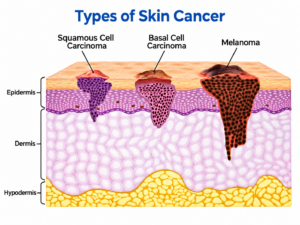
Types of Skin Cancer: Melanoma, Basal Cell Carcinoma & Squamous Cell Carcinoma
The three most common types of skin cancer are basal cell carcinoma, squamous cell carcinoma and melanoma. Risk increases with years of sun exposure, although skin cancer can occur in anyone. At Bala Dermatology, Dr. Mary Griffin provides skin cancer screenings, evaluation of suspicious lesions, and treatment or referral based on the diagnosis of an individual patient’s needs.
Melanoma Treatment
Melanoma is a potentially serious form of skin cancer that can spread if not diagnosed and treated early. Treatment depends on the depth and stage of the melanoma. Early-stage melanoma is generally treated with surgical excision, while more advanced cases may require additional testing and specialized care. At Bala Dermatology, Dr. Mary Griffin evaluates suspicious lesions and helps patients understand their diagnosis, treatment options, and appropriate referrals.
Basal Cell Carcinoma
Basal cell carcinoma is the most common type of skin cancer with approximately 3.6 million cases diagnosed in the United States each year. It develops from basal cells in the outer layer of the skin and is directly related to years of sun exposure.
Signs of Basal Cell Carcinoma to look out for include:
- White, skin-colored or pink bumps that appear to be slightly translucent and may rupture or bleed
- Brown, black or blue lesions that are slightly raised
- Flat, scaly and red patches
- White, waxy lesions that resemble a scar but don’t have a clearly defined border
- A pimple that does not go away
Squamous Cell Carcinoma
Squamous cell carcinoma is the second most common type of skin cancer with approximately 1.8 million cases diagnosed in the United States every year. It develops from abnormal growth of squamous cells in the outer layers of the skin and is also related to overall sun exposure.
Squamous Cell Carcinoma can appear as:
- Scaly red patches
- Open sores
- Rough, wart-like skin
- Raised growths with a depression in the middle
- Lesions that crust over, itch and bleed
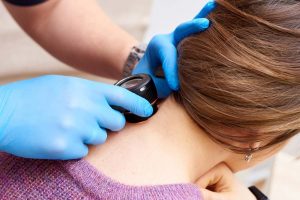
Skin Cancer Treatment in Bala Cynwyd
Treatment for basal cell carcinoma and squamous cell carcinoma depends on the type, size, location, and characteristics of the skin cancer. Options may include surgical excision, other dermatologic procedures, or referral for Mohs surgery when appropriate.
Dr. Mary Griffin provides individualized evaluation and treatment recommendations for patients throughout Bala Cynwyd, the Main Line, and Philadelphia.
Recognizing Signs of Skin Cancer
Regular skin examinations can help identify suspicious changes early. Warning signs may include a new or changing mole, a growth that does not heal, bleeding or crusting lesions, or changes in color, shape, or size.
If you notice a new, changing, or concerning spot on your skin, call Bala Dermatology at 610) 664-3300 to schedule an appointment.